Optimal Seasons for Foundation Repairs
Foundation repairs are most effective when performed during specific seasons that allow optimal conditions for repair processes. Timing can influence the durability and success of repairs, with considerations including weather patterns, soil conditions, and temperature stability.
Spring offers moderate temperatures and stable soil conditions, making it an ideal time for foundation repair work. Moisture levels are typically consistent, reducing the risk of further shifting.
Summer provides longer daylight hours and warmer weather, which can facilitate quicker drying times. However, extreme heat and dry soil may pose challenges.
Fall is suitable due to cooler temperatures and increased moisture in the soil, which can help in settling and stabilizing structures before winter.
Winter repairs are generally discouraged due to cold temperatures, frozen ground, and potential for snow, which can delay work and compromise repair integrity.
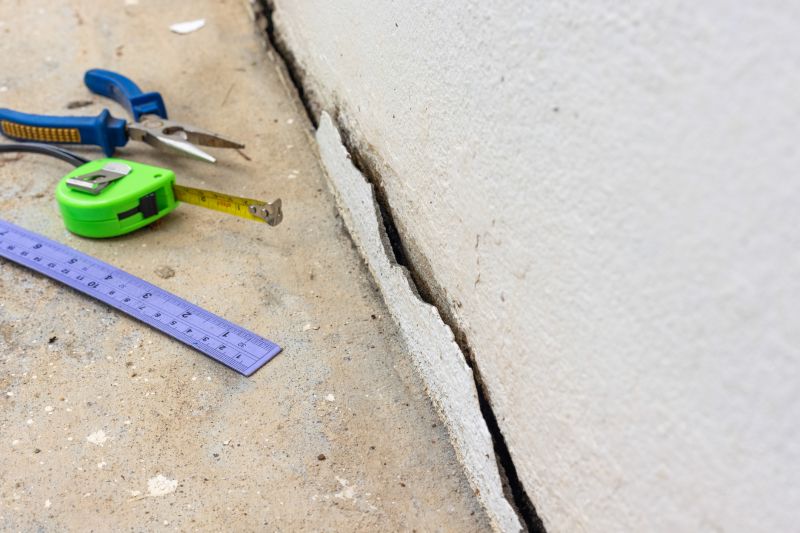
Ways to make Foundation Repairs work in tight or awkward layouts.
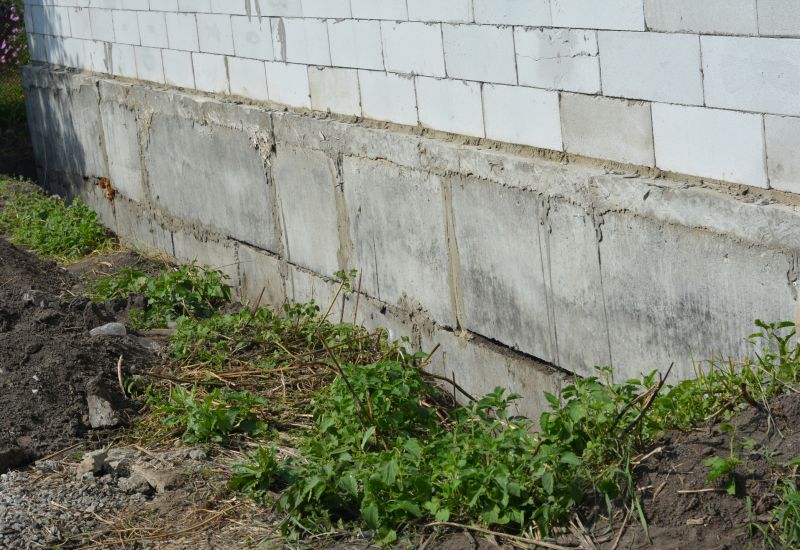
Popular materials for Foundation Repairs and why they hold up over time.
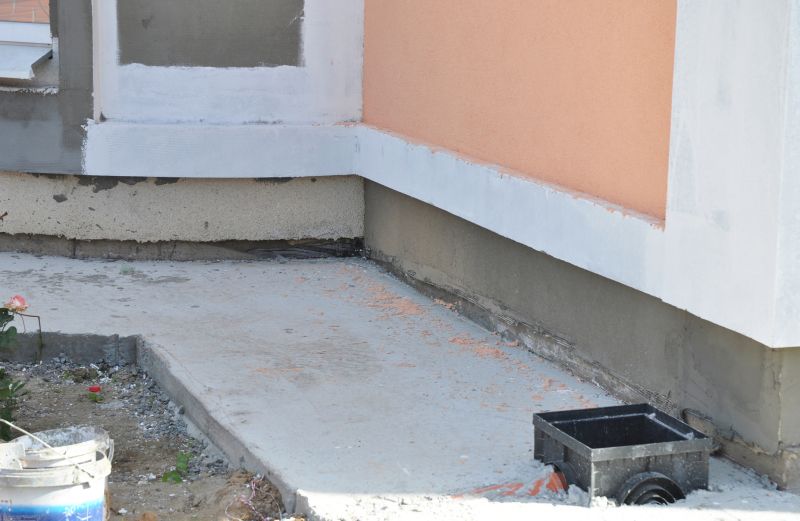
Simple add-ons that improve Foundation Repairs without blowing the budget.
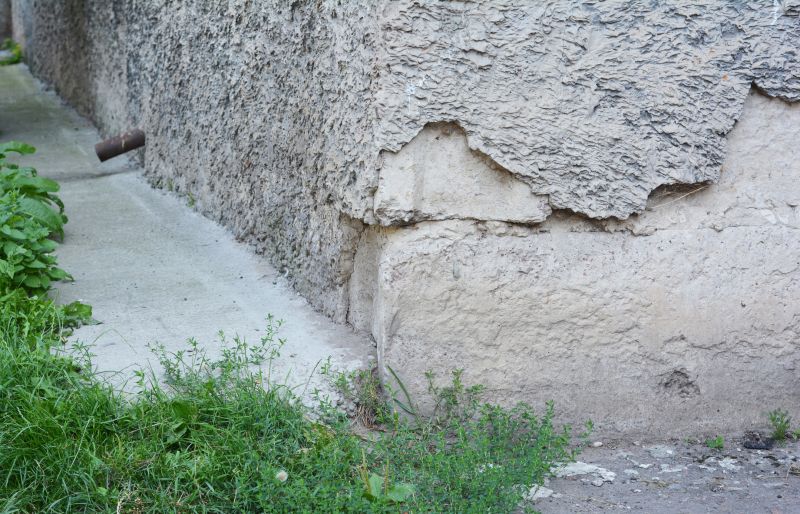
High-end options that actually feel worth it for Foundation Repairs.
| Season | Ideal Conditions for Foundation Repairs |
|---|---|
| Spring | Moderate temperatures and consistent moisture levels |
| Summer | Longer days and warmer weather, but potential heat stress |
| Fall | Cooler temperatures and increased soil moisture |
| Winter | Cold temperatures and frozen ground, generally not recommended |
Foundation repairs involve various techniques to address issues such as cracking, settling, and shifting. Proper timing ensures that repairs are durable and minimize disruption. Soil conditions, weather patterns, and the type of repair influence the optimal season for work. For example, soil tends to be more stable in spring and fall, reducing the risk of future movement. Additionally, working during seasons with moderate temperatures helps materials cure properly and reduces delays caused by weather.
Statistics indicate that foundation repairs performed during favorable seasons tend to have higher success rates. Delays or repairs carried out in extreme weather conditions can lead to additional costs and extended timelines. It is essential to evaluate local climate patterns and soil conditions before scheduling repairs to ensure the best possible outcome.
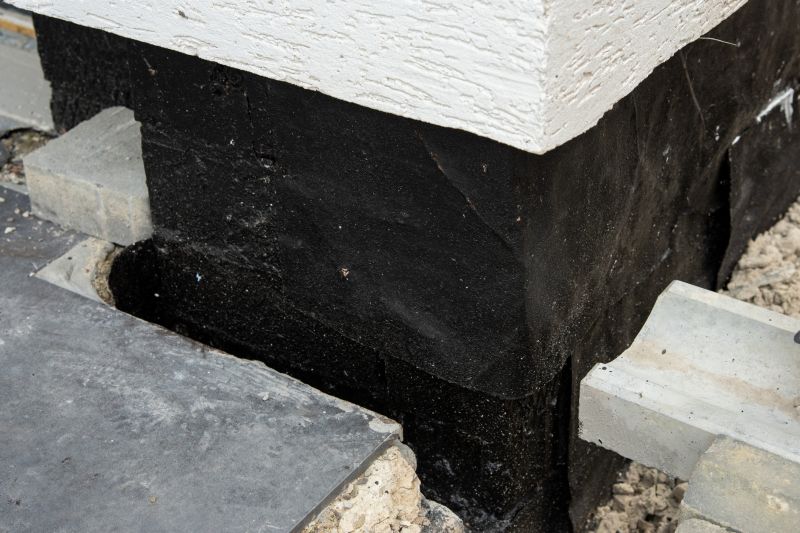
Finishes and colors that play nicely with Foundation Repairs.
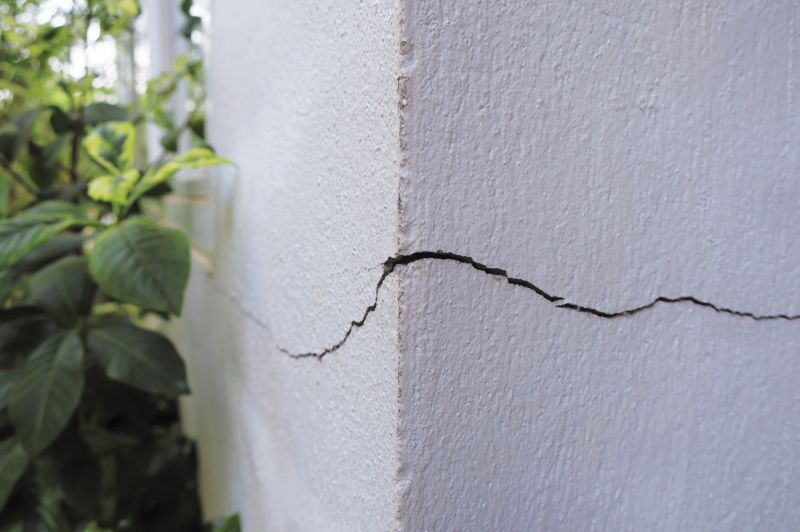
Little measurements that prevent headaches on Foundation Repairs day.
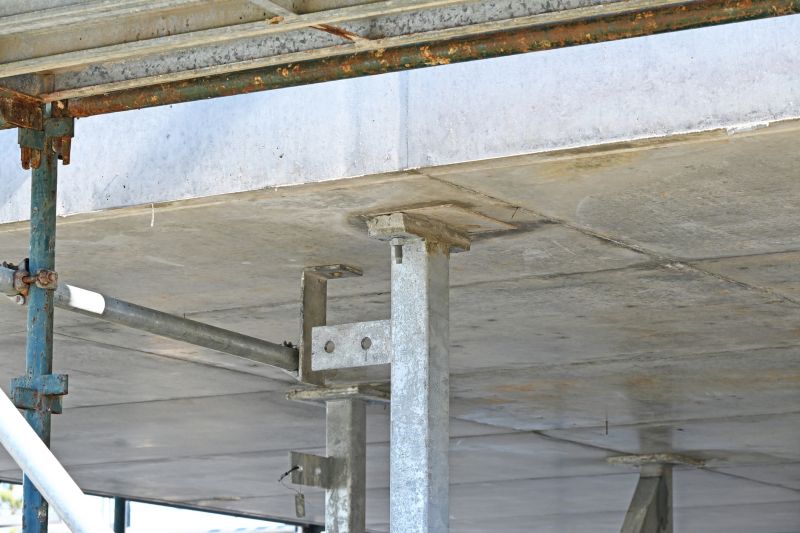
A 60-second routine that keeps Foundation Repairs looking new.
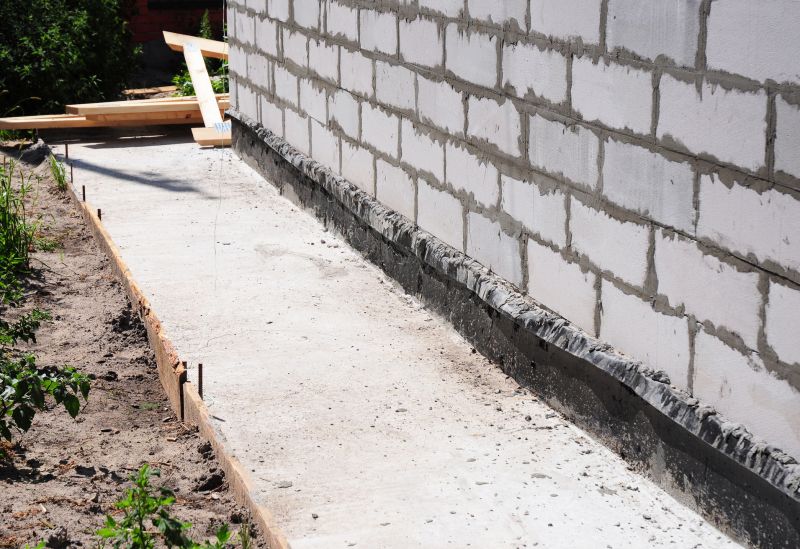
A frequent mistake in Foundation Repairs and how to dodge it.
Interested parties are encouraged to contact for more information about foundation repair options and scheduling. Filling out the contact form can provide tailored guidance based on specific structural needs and local conditions.